

Why Choose Shopify for Fashion and Retail?
Fashion and retail stores need more than an attractive homepage. Customers should be able to browse collections, compare products, understand product details and move through checkout without unnecessary friction.
Shopify gives businesses a central platform for managing products, orders, payments and store content. Its themes and app ecosystem also provide options for adapting a storefront to different business needs.

Flexible Store Design
A store's visual design should support its products and brand identity. Shopify themes can be customized to adjust layouts, colors, typography, navigation and content sections to better suit a business.
Product and Collection Management
Clear product categories and collection pages help shoppers discover items more easily. Organized product information can also make it simpler for customers to compare options and understand what they are buying.
Ecommerce Tools and Integrations
Shopify supports a range of tools and integrations for tasks such as payments, shipping, marketing, inventory management and reporting. The right setup depends on each store's operational requirements.
A strong ecommerce store brings together useful functionality, clear product information, consistent branding and a shopping journey that customers can understand.
Shopify Development Services
Tradeo can help fashion and retail businesses plan and develop Shopify storefronts around their products, customer needs and business goals. Services can be tailored to new stores as well as existing websites that need updates.
Custom Shopify Store Development
Build a storefront with structured pages, clear navigation and a design that reflects your brand.
Shopify Theme Customization
Adapt theme layouts, styling and sections to create a more consistent experience across your store.
Product and Collection Setup
Organize products, collections, descriptions and supporting content to make browsing easier.
App and Tool Integration
Configure appropriate ecommerce applications and integrations to support store operations.
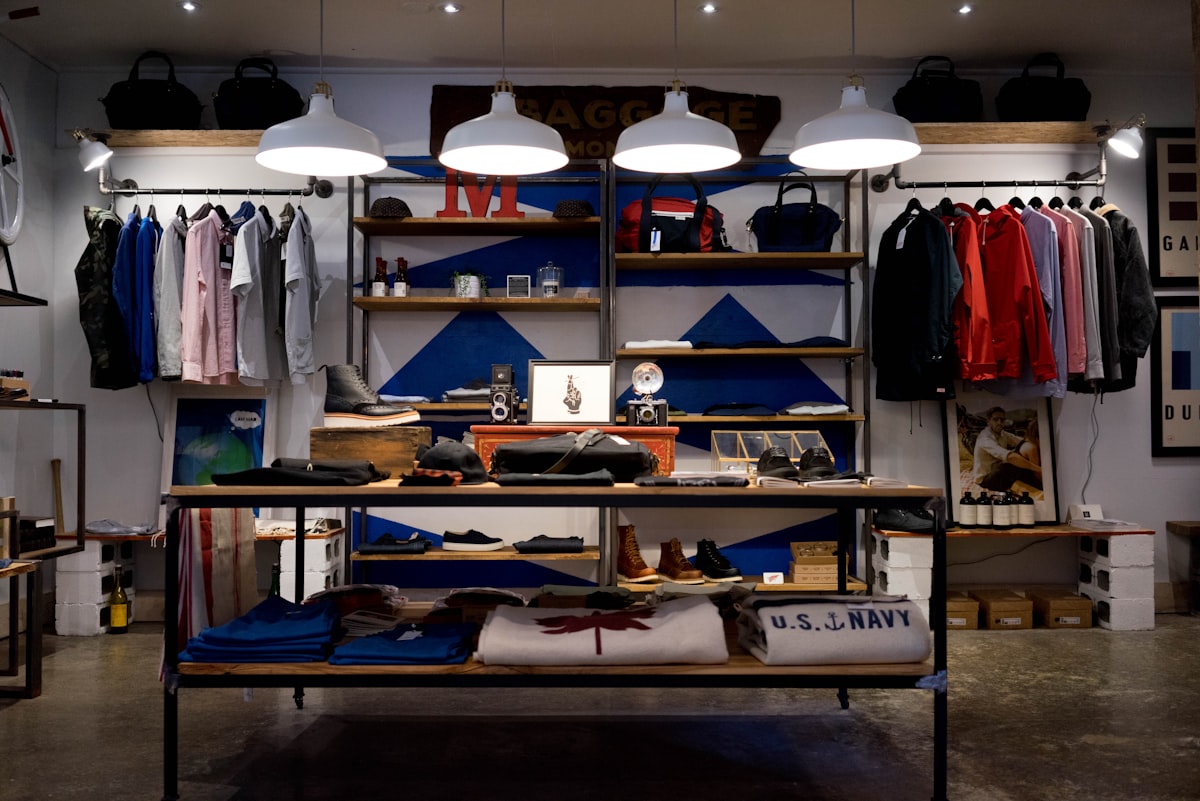

Creating a Better Customer Experience
A useful ecommerce experience helps customers find what they need, understand product options and feel confident as they shop. Consistent layouts and readable product information can make the store easier to navigate.
Clear Navigation
Menus, categories and collection links should help shoppers move through the store naturally. A clear structure is especially important for stores with many products or product types.
Helpful Product Pages
Product pages should present useful information such as images, descriptions, sizing or variant options, pricing and relevant policies. The information required will vary by product and business model.
A Straightforward Shopping Journey
From browsing to checkout, unnecessary steps can make shopping more difficult. Thoughtful page layouts and clear calls to action can help customers understand what to do next.
Important Store Experience Elements
Mobile-Friendly Shopify Store Design
Many shoppers explore products on phones and tablets. A responsive Shopify store adapts its layout to different screen sizes, helping keep content readable and important controls easy to use.
Mobile design should consider image sizing, menu behavior, product variant selection, button spacing and the amount of information shown on each screen. Testing on different devices helps identify layout problems before they affect customers.
Store Performance and Optimization
Store speed and stability contribute to the overall shopping experience. Large images, unnecessary scripts and poorly configured applications can affect how quickly pages become usable.
Performance work may include optimizing image file sizes, reviewing app usage, reducing unnecessary code and checking important templates on mobile and desktop. Results depend on the store's theme, integrations and hosting environment.
Our Shopify Development Process
A clear development process helps align store design and functionality with business requirements. The exact steps can vary depending on whether the project involves a new store, a redesign or targeted changes.
Discovery and Planning
Review the business, products, audience, goals and functional requirements before deciding on the store structure.
Design and Structure
Plan page layouts, navigation, collection structure and visual styling to suit the brand.
Development and Setup
Configure the theme, build required sections, organize products and connect agreed tools or integrations.
Testing and Review
Check important pages, responsive layouts, navigation, forms and shopping flows before launch.
Launch and Ongoing Improvements
Publish the store when ready and identify future improvements from business needs and store feedback.
Choosing the Right Shopify Setup
Every retail business has different needs. Before selecting themes, apps or custom functionality, it is useful to identify the features required for day-to-day operations and the experience customers should have.
- Define the store's main products and collection structure.
- Identify payment, delivery and inventory requirements.
- Establish brand guidelines for typography, color and imagery.
- Review essential integrations before adding optional applications.
- Test the shopping experience on mobile devices as well as desktop screens.
Frequently Asked Questions
What is Shopify development?
Can a Shopify store be customized for a fashion brand?
Is Shopify suitable for mobile shopping?
Can Shopify integrate with other tools?
Can an existing Shopify store be redesigned?
Final Thoughts
A Shopify store should represent more than a collection of product pages. It should communicate your brand, showcase your products clearly and make the shopping process simple.
For fashion and retail businesses, professional Shopify development can bring together design, product presentation, mobile usability, integrations and performance.
Whether you are launching a new online store or improving an existing Shopify website, Tradeo can help create a professional ecommerce experience around your business.